AI · March 27, 2025 · 1 min read
AI Web Scraping for Business Research: A Practical Guide
Use AI agents to automate business research data collection, verification, and organization from multiple authoritative sources.
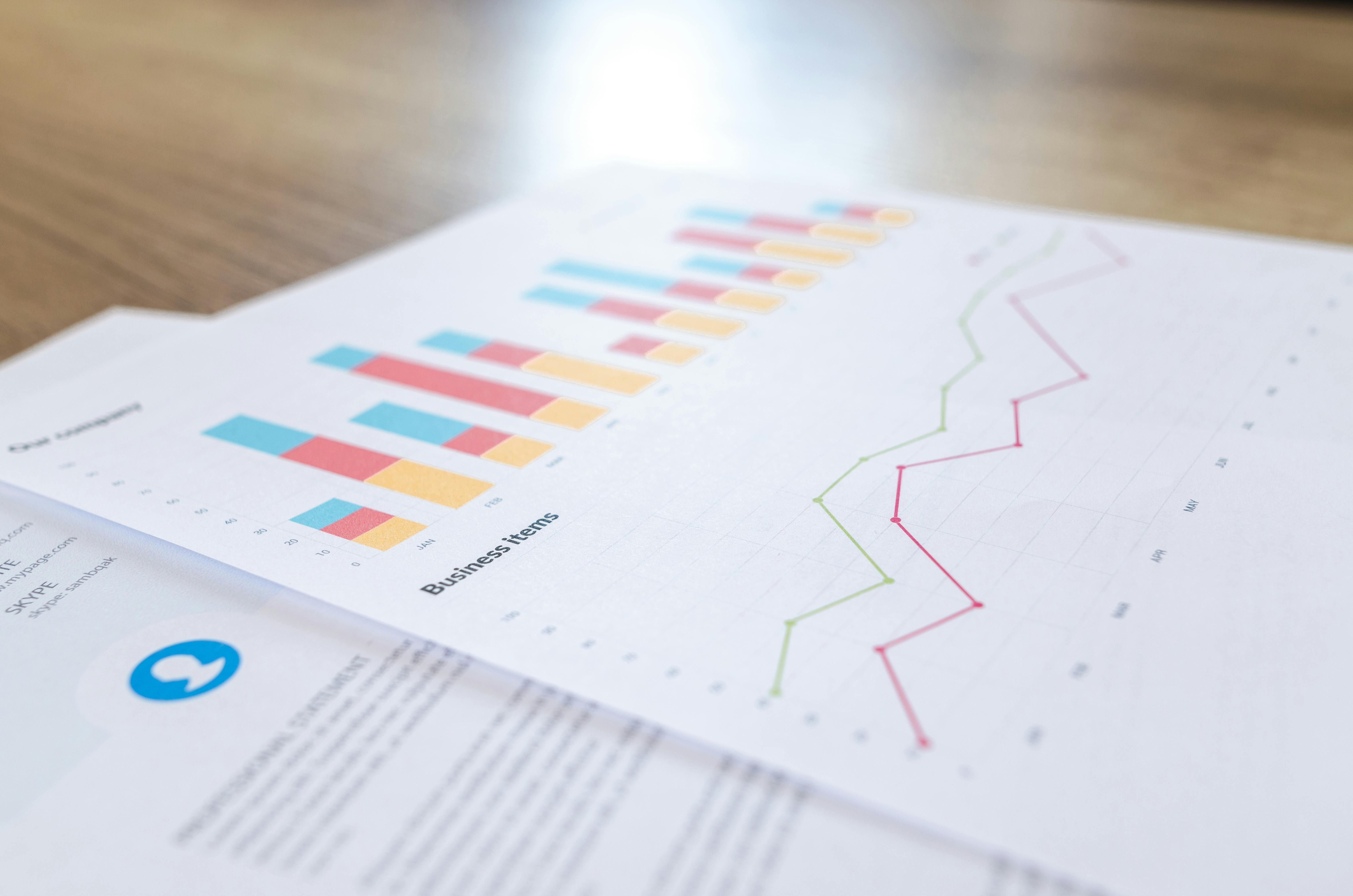
<p>Business research requires current, structured data from multiple sources. AI agents automate the collection, verification, and organization of market information, competitor intelligence, and industry data.</p>
<h2>Research Scope and Sources</h2>
<p>Define the research question first: pricing analysis, market sizing, competitive positioning, or technology adoption. Then identify authoritative sources: industry reports, company websites, government databases, and news archives.</p>
<h2>Collection Strategy</h2>
<p>Agents navigate source sites, extract relevant data points, and capture context. For pricing research, this means current prices, SKU details, and availability. For market analysis, it means company lists, funding rounds, and geographic presence.</p>
<h2>Verification and Cross-Checking</h2>
<p>Business data requires verification. Agents cross-check critical facts against multiple sources, flag inconsistencies, and preserve provenance for manual review. A competitor's claimed market share should appear in more than one place.</p>
<h2>Structured Output</h2>
<p>Research findings become spreadsheets, reports, or databases with clear fields, timestamps, and source citations. Standardized output makes analysis and sharing straightforward.</p>
<h2>Scheduling and Updates</h2>
<p>Run research agents on a schedule to track changes over time. Weekly competitor monitoring, monthly market scans, or event-triggered deep dives turn research from a one-time project into an ongoing capability.</p>
<p>The goal is not to eliminate human judgment. It is to gather the factual inputs humans need to make informed decisions, faster and more consistently than manual research allows.</p>